
Iraq: A Journey into the Cradle of Civilization
Iraq is not just a country; it is a journey into the heart of human history. Known as Mesopotamia, the land between the Tigris and Euphrates rivers, this region gave the world writing, agriculture, and the first cities. While travel here is for the adventurous and well prepared, the reward is an unparalleled encounter with the Cradle of Civilization and the incredibly warm, welcoming Iraqi people.
Let this Oxytrip guide inspire you to explore the ancient wonders of Baghdad, Babylon, and the Iraqi Kurdistan region.
Mesopotamia: Where History Began
Few places on Earth have shaped the story of humanity like Iraq. Thousands of years ago, the Sumerians, Akkadians, Babylonians, and Assyrians built cities, wrote laws, tracked the stars, and developed some of the earliest systems of writing and mathematics on the fertile land between two great rivers. Their legacy continues to influence the world today.
History here is immense, and its monuments offer a powerful testament to more than 7,000 years of continuous civilization.
Ancient Wonders You Should Not Miss
- Ziggurat of Ur (near Nasiriyah): A UNESCO World Heritage site and one of the best-preserved monuments of ancient Sumer. This massive stepped temple, built over four thousand years ago, rises from the desert plain and is closely linked to the story of the prophet Abraham in local tradition.
- Babylon: Walk among the ruins of the city where Hammurabi once ruled and where the famed Ishtar Gate once stood. Its reconstructed walls, palaces, and processional paths give a vivid sense of the scale of this legendary capital.
- Other ancient sites: Depending on the situation and your itinerary, destinations such as Ctesiphon, Hatra, and Nimrud add even more depth to a journey through Iraq’s past.
Baghdad: The City of Stories
Baghdad was once one of the world’s greatest centers of learning, culture, and trade. Today, the capital still carries that spirit in its streets, markets, and landmarks.
- Al Mutanabbi Street: The historic heart of Baghdad’s book trade, filled with bookstalls, publishers, and cafés, and a gathering place for writers, poets, and thinkers every Friday.
- National Museum of Iraq: Home to an extraordinary collection of Sumerian, Assyrian, and Babylonian artifacts, including treasures that span thousands of years.
- Al Kadhimiya Mosque: A stunning shrine with a golden dome and glittering mirrored interiors, and one of the most important religious sites in the city.
- Tigris riverfront: A pleasant place to stroll in the evening, enjoy tea, and watch the city relax after sunset.
Beyond the Cities: Marshes and Spiritual Journeys
Venture beyond the cities to discover Iraq’s natural beauty and spiritual depth.
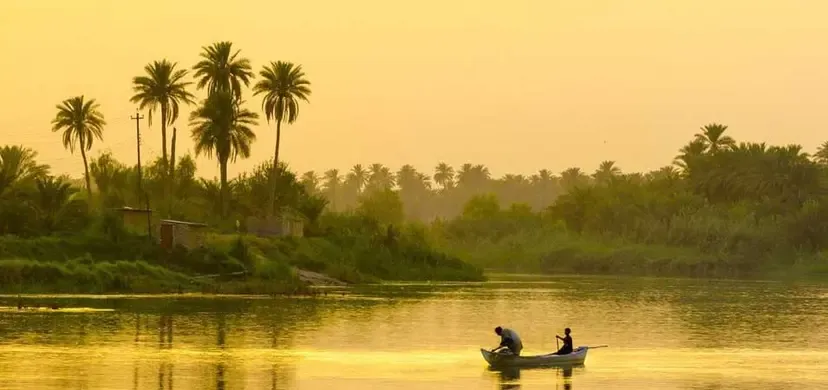
- The Mesopotamian Marshes (Ahwar): In the south, this vast wetland is a UNESCO-listed ecosystem unlike anywhere else in the region. Glide through reed-lined waterways by traditional boat and meet the Marsh Arabs, whose way of life, including reed houses and water buffalo herding, dates back thousands of years.
- Karbala and Najaf: For spiritual travelers, these holy cities are monumental centers of Shia Islam, featuring magnificent, golden-domed shrines that are truly breathtaking to behold. Every year, they welcome millions of pilgrims from across the world, especially during Arbaeen.
Iraqi Kurdistan: A Gentler Entry Point
The northern region of Iraqi Kurdistan (KRI) often serves as a gentler entry point for international travelers, boasting a more relaxed visa policy. Green mountains, cool air, and a relaxed atmosphere make it a refreshing contrast to the south.
- Erbil (Hawler): Believed to be one of the world’s oldest continuously inhabited settlements. The towering Erbil Citadel, a UNESCO World Heritage site, dominates the city center and offers a fascinating look at layers of history built one on top of another.
- Mountain landscapes: Explore canyons, waterfalls, and scenic valleys in places such as Rawanduz, Gali Ali Beg, and Sulaymaniyah.
- Ancient monasteries: Visit historic Christian monasteries such as Mar Matti and discover the region’s rich religious diversity.
- Chaikhanas (Kurdish tea houses): Sit with a glass of strong, sweet tea, watch daily life unfold, and enjoy the friendly conversation that makes these spots so special.
Flavors of Iraq
- Masgouf: The national dish, a slow-grilled river fish seasoned and cooked beside an open fire along the Tigris.
- Dolma and kubba: Stuffed vegetables and savory meat-filled dumplings, often served at family gatherings.
- Tashreeb and biryani Iraqi-style: Comforting, hearty dishes full of rich spices.
- Klecha and baklava: Traditional pastries and sweets to enjoy with tea or Arabic coffee.
- Sweet tea: A symbol of hospitality offered almost everywhere you go.
The Best Time to Visit
- Spring (March to May): Pleasant weather and green landscapes, especially in the north, make this the ideal season.
- Autumn (October to November): Comfortable temperatures for sightseeing in Baghdad and the central regions.
- Winter (December to February): Cool and mild in the south, though the northern mountains can be cold and snowy.
- Summer (June to September): Extremely hot in much of the country, so plan indoor activities or head north to the cooler Kurdistan region.
Travel Tips
- Plan carefully and travel prepared. Iraq is best explored with careful planning and local expertise.
- Check official travel advisories. Conditions can vary between regions and may change, so review the latest guidance before you go.
- Confirm visa and entry requirements. Visa rules differ by nationality and by region, with Iraqi Kurdistan often having a more relaxed policy.
- Travel with a trusted local operator. Guides help with logistics, permits, security, and cultural insight.
- Dress modestly. Respect local customs, especially when visiting mosques, shrines, and religious sites.
- Be open to hospitality. Invitations to tea or a meal are common, and accepting them is often the best way to connect with locals.
- Carry some cash. It is useful in markets, small towns, and rural areas.
Explore Iraq Safely and Confidently with Oxytrip
Visiting Iraq is an unforgettable experience defined by depth, history, and genuine human connection. It is a land of unparalleled archaeological treasures and resilient people eager to share their heritage. While it requires careful planning, the journey is enriching.
Oxytrip offers specialized tour packages to help you navigate this historic land safely and confidently, with expert guides, trusted local partners, and itineraries tailored to your interests, from ancient sites and spiritual journeys to the mountains of Kurdistan.
Start your adventure in ancient Mesopotamia and Iraqi Kurdistan. Book your specialized tour today!
OXFORD STAR TRAVEL
Dubai • UAE
Exclusive Airline Fares & Charter Flights
Air Arabia Charter
Airtour Istanbul Charter
flydubai Charter
SalamAir Special Fares
Iran & Middle East Travel Specialist